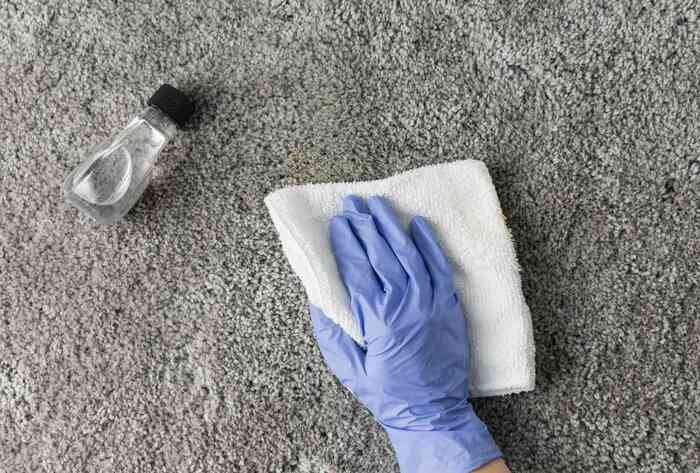
Carpet stains are one of the most common problems homeowners face. A spilled drink, muddy shoes, food, pet accident or everyday dirt can quickly leave an unwanted mark.
The good news is that many fresh stains can be treated with the right approach. However, using the wrong cleaning product or scrubbing too aggressively can sometimes make the problem worse.
In this guide, we explain how to remove common carpet stains safely, what to do when a spill happens and when professional carpet cleaning may be a better option.
Why Is It Important to Treat Carpet Stains Quickly?
When a spill happens, it is usually better to deal with it as soon as reasonably possible.
Fresh spills are often easier to manage because the liquid or material has had less time to penetrate the carpet fibres.
Quick action can help:
- Reduce the amount of liquid absorbed
- Prevent a stain from spreading
- Make cleaning easier
- Reduce the chance of lingering odours
- Protect the appearance of your carpet
However, different carpet materials and stains require different approaches, so always consider the carpet manufacturer’s care instructions before using a cleaning product.
What Should You Do When You Spill Something on Your Carpet?
The first few minutes can make a difference.
Step 1: Remove Solid Material
If food or another solid substance has fallen onto the carpet, carefully remove it without pushing it further into the fibres.
Step 2: Blot the Spill
Use a clean, absorbent cloth or paper towel to gently blot the affected area.
Do not aggressively rub the stain.
Rubbing can spread the spill and may damage carpet fibres.
Step 3: Work From the Outside In
When treating a small stain, working from the outer edge towards the centre can help reduce the risk of spreading it.
Step 4: Avoid Excessive Water
Using too much liquid can cause problems, particularly if moisture reaches the carpet backing or underlay.
Step 5: Allow the Area to Dry
After treatment, allow the area to dry properly and provide suitable ventilation.
How to Remove Coffee Stains From Carpet
Coffee is a common household spill, particularly in living rooms, bedrooms and home offices.
If coffee is spilled on the carpet:
- Remove excess liquid with a clean cloth.
- Blot gently rather than rubbing.
- Use a suitable carpet-cleaning solution according to the manufacturer’s instructions.
- Apply only a small amount.
- Blot the area again.
- Allow it to dry completely.
Avoid immediately pouring large amounts of water onto the carpet, as excessive moisture can spread the affected area.
For older or stubborn coffee stains, professional carpet stain removal may be more appropriate.
How to Remove Tea Stains From Carpet
Tea can leave noticeable marks, particularly on lighter carpets.
Start by gently blotting the affected area.
Then:
- Use a suitable carpet-cleaning product.
- Follow the manufacturer’s instructions.
- Avoid excessive moisture.
- Blot rather than scrub.
- Allow the carpet to dry.
If the stain remains after careful treatment, repeated attempts with different products may potentially damage the carpet.
How to Remove Food Stains From Carpet
Food stains can vary considerably depending on what has been spilled.
Common examples include:
- Sauce
- Chocolate
- Grease
- Curry
- Fruit
- Dairy products
Start by Removing Excess Food
Carefully lift solid food from the carpet using a suitable blunt edge or spoon.
Avoid pushing the food deeper into the fibres.
Blot the Remaining Mark
Use a clean cloth to gently absorb moisture.
Use a Suitable Cleaning Product
Choose a carpet-safe product appropriate for the type of stain and carpet.
Always follow the manufacturer’s instructions and consider testing the product on a small inconspicuous area first.
How to Remove Mud From Carpet
Mud can be particularly noticeable in entrance areas, hallways and around doors.
One important step is to let wet mud dry before attempting to remove it, where practical.
Once dry:
- Carefully remove loose pieces.
- Vacuum the area.
- Treat any remaining mark with a suitable carpet-cleaning product.
- Blot gently.
- Allow the carpet to dry.
Trying to scrub wet mud can push dirt further into the carpet.
How to Deal With Pet Stains on Carpet
Pet accidents can create both visible stains and unpleasant odours.
If an accident happens:
- Remove excess moisture quickly.
- Blot the affected area.
- Use a suitable pet-stain carpet product.
- Follow the product instructions carefully.
- Allow the carpet to dry properly.
If an odour continues after surface cleaning, the contamination may have reached deeper into the carpet or underlay.
In these situations, professional carpet odour and pet treatment may be worth considering.
How to Remove Ink Stains From Carpet
Ink can be difficult to remove because different inks contain different substances.
Do not immediately use strong chemicals or household solvents without checking that they are suitable for your carpet.
Instead:
- Blot carefully if the ink is still wet.
- Avoid spreading the mark.
- Check the carpet manufacturer’s cleaning guidance.
- Test any suitable product on an inconspicuous area.
- Consider professional stain treatment if the mark remains.
How to Remove Grease and Oil Stains From Carpet
Greasy stains can be challenging because they may cling to carpet fibres.
Avoid rubbing the stain aggressively.
Instead:
- Remove any solid material.
- Blot excess oil carefully.
- Use a suitable carpet-safe cleaning product.
- Follow the product instructions.
- Avoid soaking the carpet.
For large or old grease stains, professional cleaning may provide a more appropriate solution.
How to Deal With Red Wine Spills
Red wine can create a highly visible stain, especially on light-coloured carpets.
If a spill occurs:
- Blot the liquid immediately with a clean cloth.
- Avoid rubbing.
- Continue blotting with clean sections of the cloth.
- Use a suitable carpet-cleaning solution if appropriate.
- Allow the carpet to dry.
Avoid experimenting with multiple household products because some combinations may damage carpet fibres or affect the carpet’s colour.
Common Carpet Cleaning Mistakes to Avoid
Knowing what not to do is just as important as knowing how to treat a stain.
1. Scrubbing Too Hard
Aggressive scrubbing can damage carpet fibres and spread the stain.
Gentle blotting is generally a safer approach for many fresh spills.
2. Using Too Much Water
Excess moisture can make drying difficult and may cause additional problems.
3. Using the Wrong Cleaning Product
A product that works on one carpet may not be suitable for another.
Always check the manufacturer’s instructions.
4. Mixing Cleaning Chemicals
Never mix different cleaning chemicals unless the manufacturer specifically states that they can safely be combined.
5. Ignoring the Carpet Type
Different fibres, colours and carpet constructions can respond differently to cleaning products.
6. Repeatedly Treating a Stubborn Stain
If a stain does not respond after careful treatment, repeatedly applying different products may make the situation worse.
Professional advice may be more appropriate.
How to Protect Your Carpet From Future Stains
Prevention can reduce the amount of carpet cleaning required.
Use Entrance Mats
Place suitable mats near entrances to help reduce the amount of outdoor dirt brought inside.
Remove Outdoor Shoes
A household no-shoes policy can reduce dirt and mud being transferred onto carpets.
Clean Spills Quickly
Keep clean absorbent cloths available so you can deal with accidental spills promptly.
Vacuum Regularly
Regular vacuuming helps remove loose dirt before it becomes embedded in carpet fibres.
Keep Food in Suitable Areas
Eating and drinking in designated areas can reduce the likelihood of accidental carpet spills.
Deal With Pet Accidents Promptly
Quick action can help reduce staining and lingering odours.
How Often Should You Vacuum Your Carpet?
The right vacuuming frequency depends on your household.
Homes with:
- Children
- Pets
- Heavy foot traffic
- Multiple occupants
- High-use living areas
may need more frequent vacuuming.
Focus particularly on entrances, hallways, stairs and other areas where people walk frequently.
When Should You Use Professional Carpet Stain Removal?
DIY treatment can be suitable for some small, fresh spills, but professional cleaning may be more appropriate when:
- The stain is old
- The affected area is large
- The stain keeps returning
- There is a strong odour
- The carpet has extensive soiling
- DIY treatment has not worked
- You are unsure which cleaning method is safe
Professional cleaners have specialist equipment and experience with different carpet-cleaning situations.
You can learn more about our Carpet Stain Removal service if you have a difficult or persistent stain.
Professional Carpet Cleaning for Heavily Soiled Carpets
Stains are not the only reason carpets become difficult to maintain.
Over time, carpets can accumulate:
- Dust
- Dirt
- Pet hair
- Food particles
- Mud
- General household debris
Regular vacuuming helps with surface dirt, but heavily soiled carpets may benefit from a deeper professional cleaning process.
If your carpet needs a more thorough clean, see our Carpet Cleaning service.
Carpet Stain Removal vs Deep Carpet Cleaning
These services can have different purposes.
| Carpet Stain Removal | Deep Carpet Cleaning |
|---|---|
| Focuses on specific marks | Treats the carpet more comprehensively |
| Useful for spills | Useful for general accumulated dirt |
| Targets individual areas | Covers larger carpeted areas |
| Can address specific stains | Can refresh heavily used carpets |
| May be needed after an accident | Can be part of routine carpet maintenance |
The appropriate approach depends on the condition of the carpet and the type of problem.
What About Upholstery Stains?
The same spill that affects your carpet can also affect sofas and upholstered furniture.
However, upholstery materials can require different cleaning methods.
Do not automatically use a carpet-cleaning product on a sofa.
If your sofa or upholstered furniture needs specialist attention, consider our Upholstery Cleaning service.
Frequently Asked Questions
What is the best way to remove a fresh carpet stain?
Start by removing any solid material and gently blotting the spill with a clean absorbent cloth. Avoid aggressive rubbing and excessive moisture.
Should I scrub a carpet stain?
Generally, avoid aggressive scrubbing. It can spread the stain and potentially damage carpet fibres.
Can old carpet stains be removed?
Some old stains can be improved or removed, but results depend on the stain, carpet material, age of the stain and previous cleaning attempts.
How do I remove coffee stains from carpet?
Blot the coffee as soon as possible and use a suitable carpet-cleaning product according to the manufacturer’s instructions. Persistent stains may require professional treatment.
How do I remove pet stains from carpet?
Blot the affected area, use a suitable pet-stain product and allow it to dry properly. Persistent odours may require specialist cleaning.
Can I use household cleaning products on my carpet?
Not necessarily. Some household products may damage carpet fibres or affect colour. Always check the manufacturer’s recommendations before using a product.
Why does my carpet stain keep coming back?
A stain that reappears may have penetrated deeper into the carpet or underlay, or residue from a previous cleaning attempt may remain.
When should I call a professional carpet cleaner?
Consider professional help for large, old or persistent stains, strong odours, heavily soiled carpets or situations where you are unsure which cleaning method is safe.
Final Thoughts
Knowing how to remove common carpet stains can help you deal with everyday accidents before they become more difficult.
The most important principles are simple: act promptly, blot rather than aggressively scrub, avoid excessive moisture and use products that are appropriate for your carpet.
For difficult, old or persistent stains, professional carpet cleaning can be a safer option than repeatedly experimenting with household cleaning products.
Regular vacuuming, quick attention to spills and sensible preventative measures can also help keep your carpets looking cleaner for longer.